
Wool, Bouclé, and Performance Blends
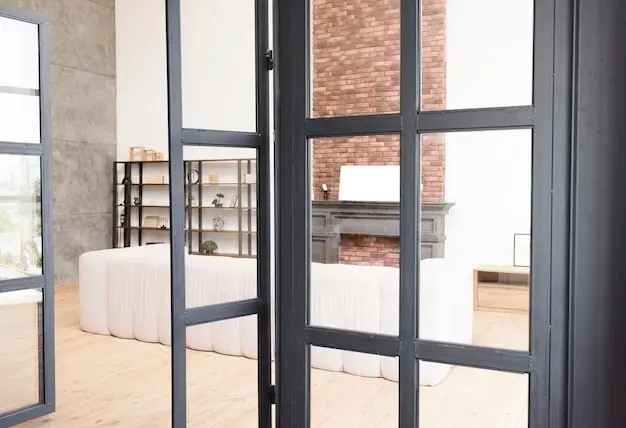
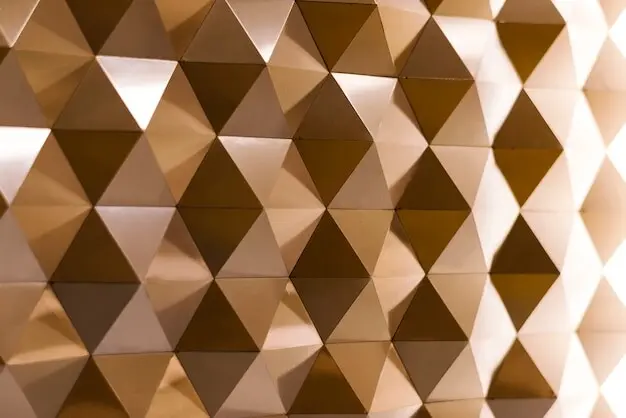
Pure wool cushions temperature, resists staining, and springs back, while bouclé weaves elevate coziness through tiny loops that trap air. Pair with performance fibers for spill resistance and colorfastness. Choose tighter loops for petite rooms, ensuring the curl reads refined, not bulky, across compact seating planes.

Cork, Wood, and Quiet Floors
Cork tiles and underlayment soften footfall, reduce echoes, and feel pleasantly warm under bare feet. Matte-finished oak or ash, with subtle grain, visually lengthens tiny rooms without glare. Layer a flatweave wool rug to anchor zones, preserving mobility while adding gentle traction and acoustic hush.
Clay, Terracotta, and Plaster Finishes
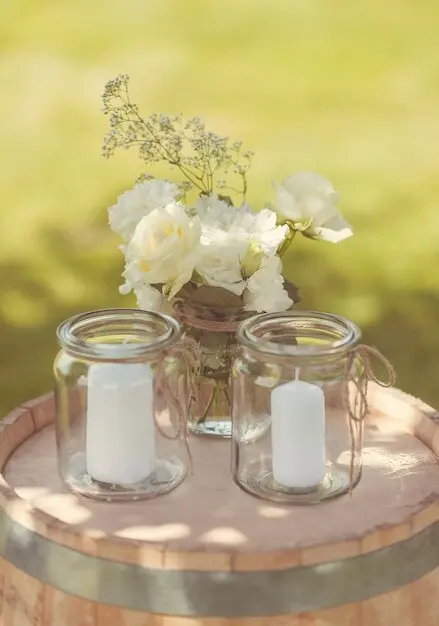
Terracotta planters, unglazed tiles, and mineral plasters offer earthy warmth and regulate moisture. Their powdery sheen scatters light beautifully, avoiding chilly reflections. Use them as small accents on sills or as a focal backsplash, then balance with smooth counters to keep surfaces from feeling busy.