



Negative Fill to Deepen Valleys
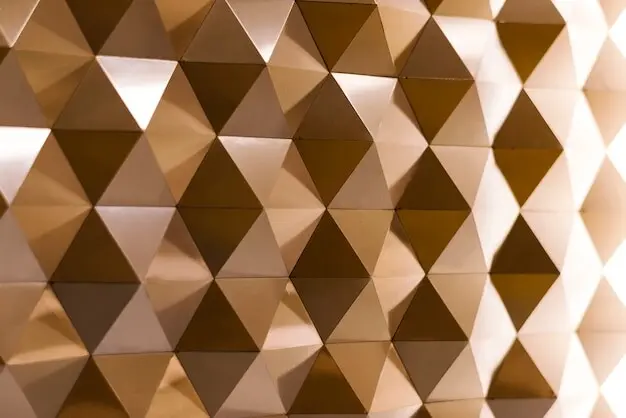
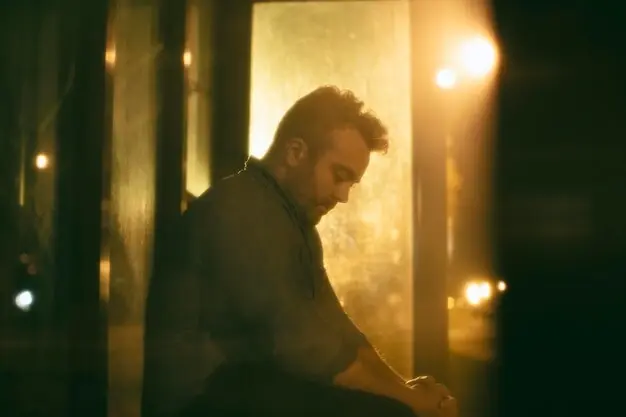
Place black foam core, flags, or a dark curtain near shadowed areas to absorb stray light, making grooves read deeper without increasing overall exposure. This is especially powerful in small studios where bounce contamination is common. Adjust proximity for strength, and watch how delicately darkened recesses enhance form while preserving midtone texture that keeps surfaces feeling honest and touchable.
Controlled Bounce to Lift Without Flattening
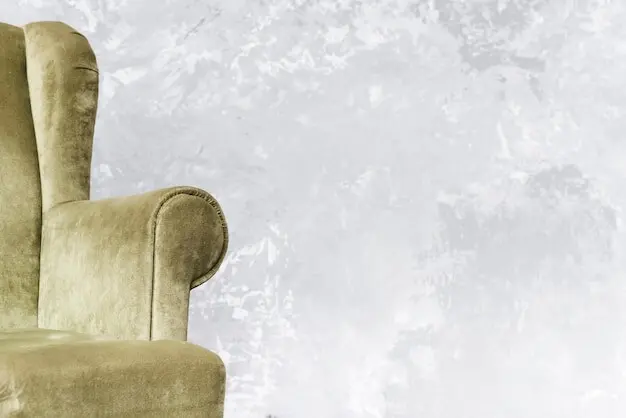
A small white card, silver card, or subtly diffused panel can float into the scene to rescue blocked shadows without steamrolling contour. Keep the bounce small, angled, and distant enough to remain gentle. On rough textiles or stone, this preserves dimensional cues while improving readability. The result is nuanced detail where viewers sense depth and still enjoy inviting contrast.
Bracket and Blend When Range Is Brutal
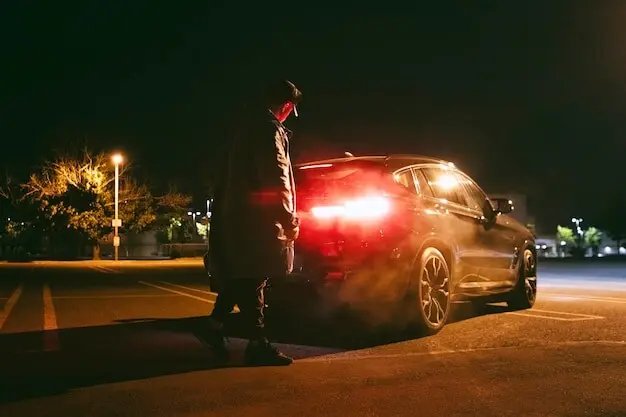
If the dynamic range outpaces your lighting control, bracket exposures and blend carefully. Prioritize highlight texture in one frame, shadow nuance in another, and marry them with restraint. Preserve natural falloff and avoid halo artifacts by masking thoughtfully. The goal is believable presence, where every pore or groove feels authentic and nothing screams software trickery, only deliberate, crafted illumination.